Spring Home Refresh: Find Local Contractors for Ceiling Repair
Spring is the perfect time to refresh your home by connecting with local contractors who specialize in textured ceiling repair and removal for a clean, updated look.
Spring is a popular season for addressing textured ceiling repair and removal due to the natural tendency for property owners to refresh and update their living spaces after the colder months. As the weather warms, many choose to undertake interior projects to improve the aesthetic appeal of their homes or commercial properties. Spring also offers better conditions for interior work, with increased daylight and moderate temperatures that can make renovation projects more manageable and comfortable for both homeowners and contractors.
These services typically encompass a range of tasks related to textured ceilings, including patching damaged areas, smoothing out existing textures, or completely removing outdated or undesirable finishes. Contractors may also prepare ceilings for repainting or retexturing, helping to restore a clean, uniform appearance or create a new design style. The scope of work can vary depending on the condition of the ceiling, the type of texture, and the desired final look, with experienced service providers capable of handling everything from minor repairs to full removal.
Property owners interested in textured ceiling repair and removal can compare local options by considering the experience and reputation of nearby contractors. It’s helpful to review the range of services offered, their familiarity with different ceiling textures, and their approach to cleanup and finishing details. By consulting multiple service providers, property owners can gather information about the methods used, the quality of work, and the level of professionalism, making it easier to select the right local contractor for their specific project needs.
Compare local contractors' expertise and experience to find the best fit for your spring ceiling repair and removal needs.
- Ceiling Texture Assessment - Local contractors can evaluate existing textures to determine the best removal or repair methods.
- Surface Preparation - Professionals prepare ceilings by cleaning and priming surfaces for effective texture removal or repair.
- Texture Removal Techniques - Service providers utilize various methods to safely and efficiently remove or repair textured ceiling finishes.
- Finishing and Refinishing - Local experts apply smooth or updated textures to restore ceiling appearance after removal or repair work.
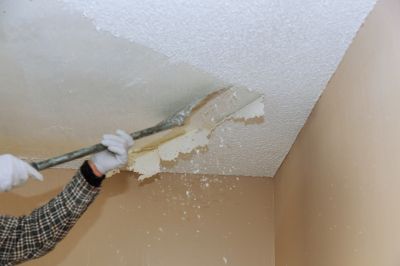
Before choosing a method for textured ceiling repair or removal, compare options with trusted local contractors to ensure the best solution for your spring refresh.
- Inspect the ceiling for signs of damage or deterioration, such as cracks or bubbling, to determine if repair or removal is needed. - Consider the age and condition of the textured finish to identify if it requires professional attention.
- Evaluate whether the texture contains asbestos, especially in older homes, to ensure safe handling and removal. - Consult with local contractors experienced in asbestos testing and removal if the presence is suspected.
- Check for water damage or staining that may indicate underlying issues needing repair before texture removal. - Address any moisture problems to prevent future ceiling damage or mold growth.
- Assess the overall surface condition to determine if patching or smoothing is necessary after removal. - Ensure the ceiling surface is prepared properly for a new finish or texture application.
- Identify any existing ceiling fixtures or electrical components that may need to be protected or temporarily removed during work. - Coordinate with service providers to handle fixture removal or covering safely.
- Plan for the desired final look, whether replacing with a smooth ceiling or a different texture style, to communicate your preferences to local contractors. - Clear vision helps ensure the finished project aligns with seasonal refresh goals.
Use this as inspiration to identify local contractors experienced in textured ceiling repair and removal during your spring refresh planning.
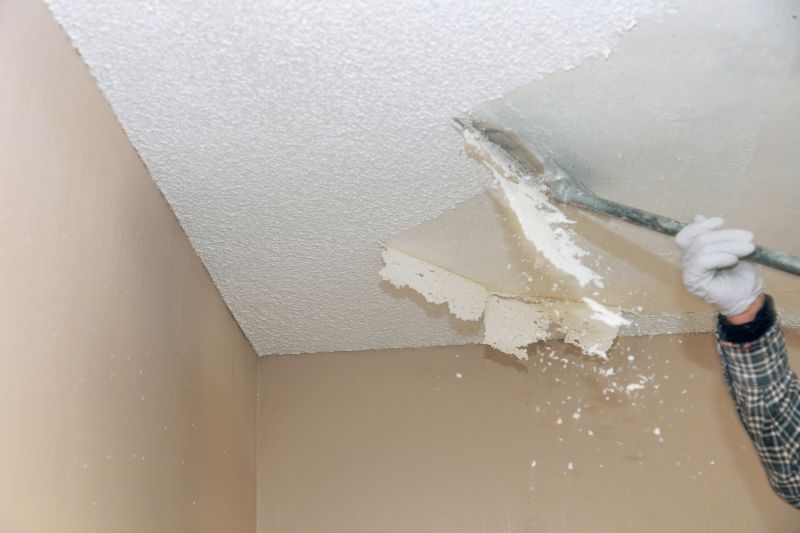
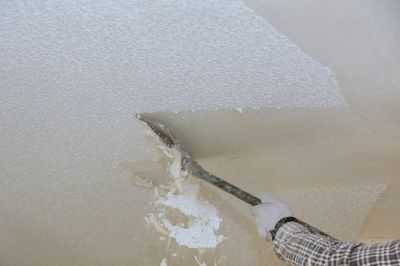
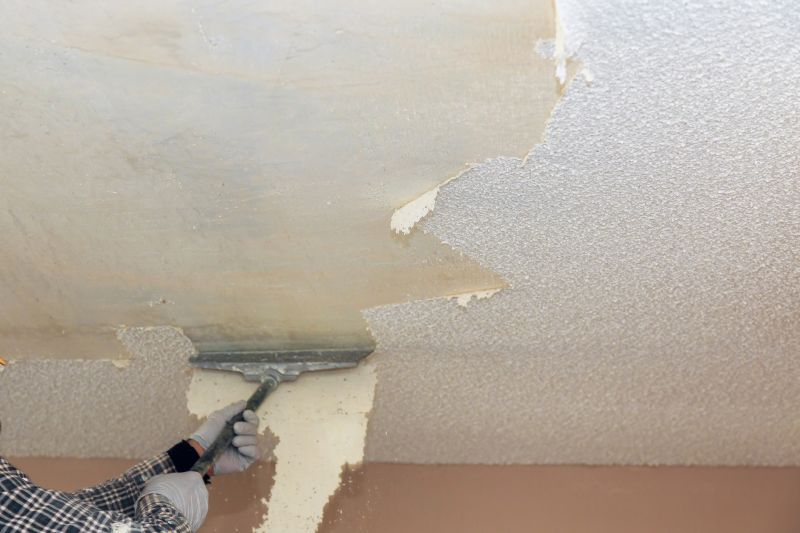
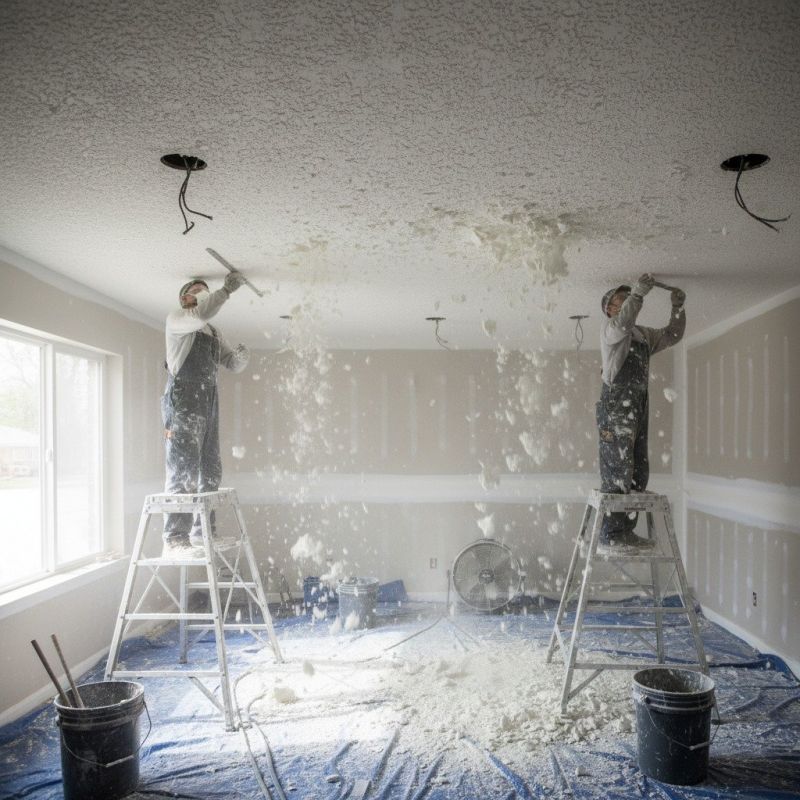
Prioritize your textured ceiling repair and removal needs and compare local contractors to find the best match.
- Assessing Ceiling Condition - Spring is a great time to evaluate existing textured ceilings for damage or deterioration that may need repair or removal. Local contractors can provide inspections to determine the best approach for updating your ceiling.
- Choosing a New Finish - Planning a fresh, spring-inspired interior look often involves removing outdated textured finishes and replacing them with smooth or modern textures. Local service providers can help select and apply the desired ceiling finish.
- Preparing for Repair or Removal - Spring cleaning and home refresh projects can include tackling textured ceiling removal, which involves surface prep and dust containment. Local pros are equipped to handle preparation safely and efficiently.
- Addressing Hidden Issues - During ceiling removal, hidden problems like water damage or mold may be uncovered, making spring an ideal time for repairs. Experienced local contractors can address these issues as part of the project.
- Updating Interior Aesthetics - Removing textured ceilings during spring allows for a brighter, more updated interior space that complements seasonal decor. Local contractors can assist in achieving a clean, modern ceiling look.
Compare local service providers to find consistent textured ceiling repair and removal solutions suited for spring refresh projects.
- Assessment of Ceiling Condition - Identify the extent of texture damage, staining, or deterioration that requires repair or removal.
- Surface Preparation Requirements - Determine the necessary steps to prepare the ceiling surface for repair, including cleaning and sanding.
- Removal Methods - Choose appropriate techniques for safely removing or smoothing textured ceiling material based on its type and condition.
- Material Compatibility - Ensure that repair or removal products are suitable for the existing ceiling surface and texture type.
- Post-Repair Finishing - Define the finishing process needed to achieve a smooth or desired texture after removal or repair work.
When considering textured ceiling repair or removal during the spring season, it is important to evaluate the experience of local contractors with similar projects. Homeowners should seek service providers who have a proven track record in handling textured ceiling work, including repair, removal, and refinishing. Experienced professionals are more likely to understand the nuances of different textures, materials, and techniques, ensuring the project is completed efficiently and with quality results. Checking for familiarity with spring-specific considerations, such as moisture control and ventilation, can help ensure the work aligns with seasonal conditions.
A clear and detailed scope of work is essential when comparing local contractors for textured ceiling projects. Homeowners should look for service providers who can articulate what the project will entail-from surface preparation and texture removal to surface repairs and finishing. A well-defined scope helps set expectations and ensures that all parties are aligned on the project's objectives. Clear communication about the process also assists in planning around springtime activities and any necessary preparation or cleanup efforts.
Work planning considerations are crucial during the spring season, as fluctuating weather and outdoor conditions can influence interior projects. Homeowners should inquire how local contractors plan to manage the work timeline, especially in terms of moisture management, ventilation, and scheduling to avoid delays caused by spring weather. Understanding how contractors coordinate their work to minimize disruptions and ensure safety can help in selecting a provider who is prepared for seasonal challenges. Proper planning also involves discussing surface protection and dust containment to maintain a clean work environment.
Evaluating options without focusing on prices involves assessing the experience, scope clarity, and planning approach of local service providers. Homeowners should consider reviews, references, or portfolios that demonstrate successful textured ceiling projects. Asking questions about the contractor’s process, materials used, and their approach to spring-specific considerations can reveal the professionalism and reliability of each option. By comparing these factors, homeowners can make informed decisions about which local pros are best suited to handle their textured ceiling repair or removal during the spring season.
Request written details from local contractors to ensure the scope of textured ceiling repair and removal aligns with your spring refresh plans.
- Scope of Texture Removal - What specific textured ceiling styles do local contractors typically handle during repair or removal?
- Provider Experience - How do local service providers differ in their experience with textured ceiling repairs and removal techniques?
- Material Compatibility - What types of ceiling textures are commonly addressed by local contractors, and how do they determine the best approach?
- Scope of Repair Services - Do local pros offer comprehensive services that include both removal and seamless ceiling refinishing?
- Comparison of Service Offerings - How do local contractors' approaches to textured ceiling repair and removal vary in scope and method?
What is involved in repairing a textured ceiling? Repairing a textured ceiling typically involves patching damaged areas, matching the existing texture, and applying finishing touches to blend the repair seamlessly with the surrounding surface. Local contractors can assess the damage and recommend the best approach for your space.
Can textured ceilings be removed easily? Removal of textured ceilings can vary in complexity depending on the type of texture and the condition of the ceiling underneath. Professional service providers can safely and efficiently remove or replace textured finishes to achieve a smooth look.
What types of textures are common on ceilings? Common ceiling textures include popcorn, knockdown, slap brush, and orange peel. Local service providers can identify the texture type and suggest suitable methods for repair or removal based on your preferences.
Is it necessary to prepare the room before textured ceiling repair or removal? Yes, preparing the room by protecting furniture and flooring helps ensure a clean process. Experienced contractors typically handle surface preparation and cleanup to minimize disruption during the project.
Are there options to update or modernize a textured ceiling? Yes, many choose to replace textured ceilings with smooth finishes or modern textures for a contemporary look. Local contractors can provide guidance on design options that match your style preferences.
How can spring be a good time for textured ceiling projects? Spring offers an ideal season for interior updates, as it allows for better ventilation and drying times. Local service providers can assist with planning and executing ceiling repairs or removal to refresh your space for the season.
Spring is an ideal time to refresh interior spaces by addressing textured ceiling issues. Visitors have learned about the importance of proper repair and removal techniques to restore ceilings to a smooth, clean appearance. To explore options and find experienced service providers who can handle textured ceiling projects, using the quote form can help compare local contractors and connect with the right professionals for the job.
Choosing the right local contractors for textured ceiling repair and removal ensures the project aligns with seasonal home improvement plans. By submitting a quote request, visitors can access a selection of trusted service providers in their area, making it easier to find the support needed to achieve a polished ceiling finish that complements springtime updates.
Providing clear details about your textured ceiling repair or removal project helps local contractors understand your needs and plan effectively.
- Type of Ceiling - Details about the existing textured ceiling to help identify the appropriate repair or removal method.
- Extent of Damage - Information on the size and severity of damage or deterioration to determine the scope of work needed.
- Preferred Finish - Description of the desired ceiling finish after repair or removal to guide service provider recommendations.
- Accessibility - Details about the ceiling’s location and any obstructions that might affect repair or removal procedures.